How a Corporate Tax Return Impacts Business Finances?
Financial Reporting That Shapes Business Decisions
Running a successful business requires careful financial management, strategic planning, and compliance with tax regulations. One of the most important financial responsibilities for incorporated businesses is filing a Corporate Tax Return accurately and on time. While many business owners view tax filing as a regulatory obligation, it has a much broader impact on overall financial performance.
For businesses in London, Ontario, understanding how a Corporate Tax Return affects cash flow, profitability, borrowing capacity, and future planning can help owners make informed decisions. At Janice Rees Professional Accounting, businesses receive accounting support to manage tax obligations and maintain a clear picture of their financial position.
Why a Corporate Tax Return Matters?
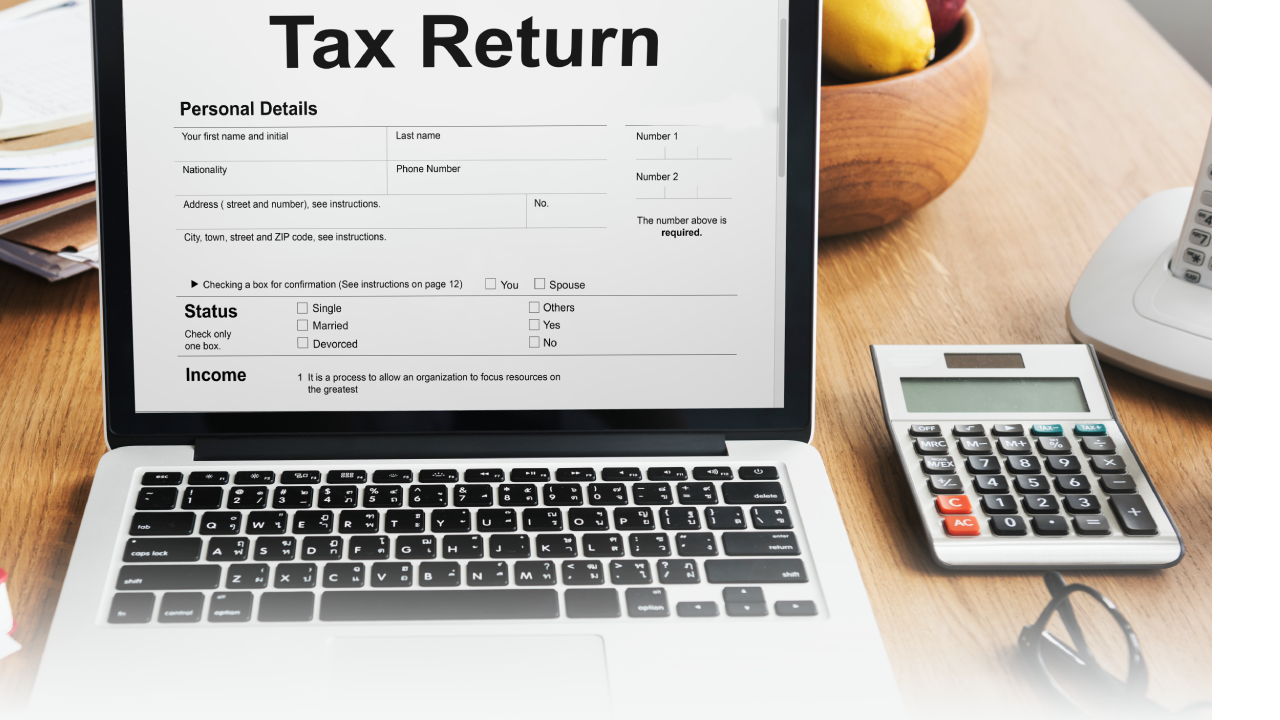
A Corporate Tax Return is more than a report submitted to tax authorities. It serves as an official record of a company’s income, expenses, deductions, assets, and financial activities throughout the year.
The information included in a Corporate Tax Return influences:
- Tax obligations
- Financial reporting
- Business planning
- Lending applications
- Investment opportunities
- Compliance status
Accurate filing helps business owners understand where money is being earned, spent, and allocated.
The Connection Between Tax Returns and Cash Flow
Cash flow is one of the most important indicators of business stability. Filing a Corporate Tax Return correctly can directly impact available cash.
When deductions, credits, and eligible expenses are reported properly, businesses may reduce their overall tax burden. This allows more funds to remain within the company for operational expenses, staffing, equipment purchases, and expansion plans.
Errors or missed deductions can result in paying more taxes than necessary, reducing available working capital and limiting financial flexibility.
How a Corporate Tax Return Influences Business Planning
Business growth often depends on accurate financial information. A properly prepared Corporate Tax Return provides valuable insights into company performance.
Business owners can use return data to evaluate:

- Annual revenue trends
- Expense patterns
- Profit margins
- Investment outcomes
- Growth opportunities
These insights help companies create realistic budgets and make informed decisions for the upcoming year.
Tax Returns and Business Financing
Lenders frequently review financial records before approving business loans or lines of credit.
A completed Corporate Tax Return provides evidence of:
- Revenue stability
- Profitability
- Financial responsibility
- Business sustainability
Financial institutions often request several years of tax returns when evaluating applications. Accurate reporting can strengthen credibility and improve financing opportunities.
Supporting Business Expansion
Growth often requires additional capital, employees, equipment, or property.
A detailed Corporate Tax Return helps business owners identify whether the company has sufficient financial strength to support expansion. It also helps determine how growth initiatives may affect future tax obligations.
When businesses understand their tax position, they can allocate funds more effectively and pursue growth opportunities with greater Confidence.
Compliance Helps Avoid Unnecessary Costs
Failure to file a Corporate Tax Return correctly or on time can result in financial consequences.
Potential issues include:
- Late filing penalties
- Interest charges
- Compliance reviews
- Increased administrative costs
These expenses can reduce profits and create avoidable financial pressure. Staying compliant protects business resources and supports smoother operations.
The Importance of Accurate Record Keeping
Accurate bookkeeping forms the foundation of every successful tax filing process.
Strong records help ensure:
- Revenue is reported correctly.
- Expenses are properly categorized.
- Deductions are documented
- Financial statements remain accurate.
When records are organized throughout the year, preparing a Corporate Tax Return becomes significantly more manageable.
Tax Planning and Future Savings
Tax planning should not begin shortly before filing deadlines. Ongoing planning throughout the year can create opportunities for tax efficiency.
Professional accounting support can help businesses:
- Track eligible deductions
- Monitor financial performance
- Plan major purchases
- Structure compensation effectively
- Forecast future obligations
Proactive planning often results in fewer surprises and improved financial management.
How Financial Accuracy Builds Confidence
Business owners rely on accurate numbers when making important decisions.
A properly prepared Corporate Tax Return provides reliable financial information that supports:
- Hiring decisions
- Equipment investments
- Marketing budgets
- Expansion plans
- Strategic objectives
When financial data is accurate, decision-making becomes more informed and effective.
Corporate Tax Returns and Business Reputation
Compliance contributes to business credibility.
Investors, lenders, partners, and stakeholders often review financial information before entering business relationships. Accurate tax reporting demonstrates professionalism and financial responsibility.
Maintaining complete and compliant records can strengthen trust among key business contacts and support long-term business success.
6 Reasons to File Your Corporate Tax Return Early
Filing early can provide several advantages for incorporated businesses.
1. Avoid Last-Minute Stress
Early preparation reduces pressure and allows sufficient time to gather documents and review information carefully.
2. Identify Errors Before Submission
Early filing creates opportunities to correct mistakes before deadlines arrive.
3. Plan Cash Flow More Effectively
Knowing tax obligations sooner helps businesses prepare financially.
4. Reduce Penalty Risks
Submitting returns before deadlines reduces the risk of late-filing charges.
5. Improve Financial Planning
Completed tax information provides a clearer picture of company finances for budgeting and forecasting.
6. Gain More Time for Strategic Decisions
Business owners can focus on growth initiatives rather than rushing through tax requirements.
How to Avoid Penalties on Your Corporate Tax Return
Penalties can quickly add unnecessary expenses to business operations. Fortunately, many common issues are preventable.
Maintain Accurate Records - Keep organized documentation of revenue, expenses, payroll records, and supporting receipts.
Monitor Filing Deadlines - Track important tax dates and establish reminders well in advance.
Review Information Carefully - Double-check calculations and supporting information before submission.
Keep Financial Statements Current - Up-to-date bookkeeping helps identify discrepancies before filing.
Work With Accounting Professionals: A professional review can help identify concerns that might otherwise go unnoticed.
Respond Promptly to Tax Notices - Addressing correspondence quickly can prevent issues from escalating.
Could Your Corporate Tax Return Be Holding Back Growth?
Many business owners focus solely on filing requirements without considering how tax reporting affects broader business objectives.
A poorly prepared return can create challenges such as:
Limited Access to Financing - Incomplete or inaccurate records may weaken loan applications.
Missed Tax Opportunities: Unclaimed deductions may lead to unnecessary tax expenses.
Reduced Cash Flow - Overpaying taxes can limit funds available for investment and expansion.
Inaccurate Financial Decisions - Business plans based on incorrect financial information can lead to costly mistakes.
Delayed Growth Initiatives - Without reliable financial reporting, expansion decisions may be postponed unnecessarily.
When tax reporting is managed properly, businesses gain clearer visibility into financial performance and future opportunities.
How Professional Help Can Simplify Your Corporate Tax Return?
Preparing a corporate return requires attention to detail, current tax knowledge, and accurate financial reporting.
Professional accounting assistance can simplify the process by providing:
Accurate Financial Reporting - Accountants help ensure information is complete and properly documented.
Identification of Eligible Deductions - Many businesses miss opportunities due to limited familiarity with tax regulations.
Reduced Administrative Burden - Business owners can focus on operations while accounting professionals manage filing requirements.
Improved Compliance - Professional oversight helps reduce filing errors and reporting issues.
Strategic Financial Insights - Accounting support often extends beyond tax preparation and contributes to broader financial planning.
Ongoing Support - Questions and concerns can be addressed throughout the year, not just during tax season.
Partner With Janice Rees Professional Accounting
Businesses across London, Ontario, can benefit from professional accounting support that simplifies tax filing and financial management. Whether you need assistance preparing a Corporate Tax Return, organizing financial records, planning for future growth, or maintaining compliance, Janice Rees Professional Accounting provides practical accounting services that support business success.
Working with experienced accounting professionals can help your company stay organized, meet filing requirements, and make informed financial decisions throughout the year.
Frequently Asked Questions
1. When must a Corporate Tax Return be filed in Canada?
Most corporations must file their return within six months after the end of their fiscal year.
2. What happens if a Corporate Tax Return is filed late?
Late filing may result in penalties and interest charges depending on the circumstances.
3. Can a corporation claim business expenses on its tax return?
Yes. Eligible business expenses may generally be claimed when supported by proper documentation and records.
4. Why should businesses keep detailed financial records?
Accurate records support compliance, simplify tax preparation, and help businesses make informed financial decisions.
5. Should small corporations work with an accountant for tax filing?
Many corporations choose professional accounting assistance to improve accuracy, maintain compliance, and streamline the filing process.
Moving Forward
Looking for assistance with your next Corporate Tax Return in London, Ontario?
Contact Janice Rees Professional Accounting today to discuss your business accounting and tax requirements. Professional support can help simplify filing, improve financial visibility, and keep your business moving forward with Confidence.